
Elevate Your Home with Eco-Friendly Interior Design
- sanam dabirian
- May 1
- 4 min read

Creating a beautiful home doesn't have to come at the expense of the environment. In fact, eco-friendly interior design can enhance your living space while promoting sustainability. This blog post will explore practical tips and ideas to help you elevate your home with eco-friendly design choices. From selecting sustainable materials to incorporating energy-efficient solutions, we will guide you through the process of creating a stylish and environmentally conscious home.
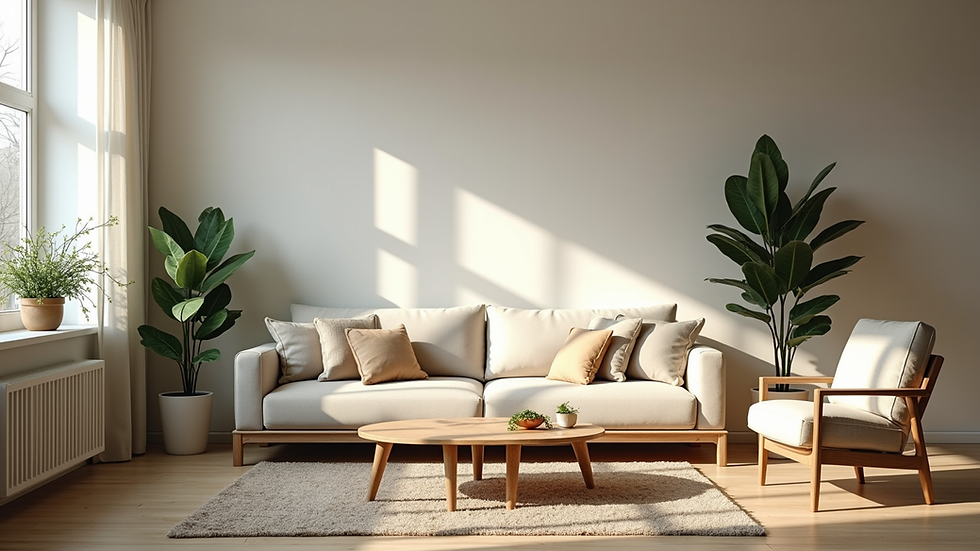
Understanding Eco-Friendly Interior Design
Eco-friendly interior design focuses on creating spaces that are not only aesthetically pleasing but also sustainable. This approach considers the environmental impact of materials, energy consumption, and overall waste. By choosing eco-friendly options, you can reduce your carbon footprint and contribute to a healthier planet.
Key Principles of Eco-Friendly Design
Sustainable Materials
Opt for materials that are renewable, recycled, or sustainably sourced. Examples include bamboo, reclaimed wood, and recycled metal.
Energy Efficiency
Incorporate energy-efficient appliances and lighting. Look for products with Energy Star ratings to ensure you are making environmentally friendly choices.
Indoor Air Quality
Choose low-VOC (volatile organic compounds) paints, finishes, and furnishings to improve indoor air quality. This helps reduce harmful emissions and creates a healthier living environment.
Water Conservation
Implement water-saving fixtures and appliances. Consider installing low-flow faucets and showerheads to minimize water usage.
Natural Light
Maximize natural light in your home. Use large windows, skylights, and light-colored walls to reflect sunlight and reduce the need for artificial lighting.
Choosing Sustainable Materials
Selecting the right materials is crucial in eco-friendly interior design. Here are some sustainable options to consider:
Bamboo
Bamboo is a fast-growing grass that is incredibly strong and durable. It can be used for flooring, furniture, and even decorative elements. Its rapid growth makes it a highly renewable resource.
Reclaimed Wood
Reclaimed wood is salvaged from old buildings, furniture, or other sources. It adds character and history to your home while reducing the demand for new lumber. Using reclaimed wood for flooring, beams, or furniture can create a rustic yet modern aesthetic.
Recycled Metal
Recycled metal can be used for various design elements, including furniture, fixtures, and decor. It is durable and can be repurposed into unique pieces that add an industrial touch to your space.
Natural Fabrics
When selecting textiles, choose natural fabrics such as organic cotton, linen, or hemp. These materials are biodegradable and often produced without harmful chemicals.
Energy-Efficient Solutions
Incorporating energy-efficient solutions into your home can significantly reduce your energy consumption and lower utility bills. Here are some ideas:
LED Lighting
Switching to LED lighting is one of the simplest ways to improve energy efficiency. LED bulbs use up to 75% less energy than traditional incandescent bulbs and last much longer.
Smart Thermostats
Investing in a smart thermostat can help you manage your home's heating and cooling more efficiently. These devices learn your habits and adjust temperatures accordingly, saving energy when you're not home.
Energy Star Appliances
When upgrading appliances, look for those with the Energy Star label. These appliances meet strict energy efficiency guidelines set by the U.S. Environmental Protection Agency and can save you money in the long run.
Enhancing Indoor Air Quality
Improving indoor air quality is essential for a healthy home. Here are some strategies to consider:
Low-VOC Paints and Finishes
Choose paints and finishes that are low in volatile organic compounds (VOCs). These products emit fewer harmful chemicals, making your home safer for you and your family.
Indoor Plants
Incorporating indoor plants can help purify the air and improve overall indoor air quality. Plants like snake plants, peace lilies, and spider plants are known for their air-purifying properties.
Proper Ventilation
Ensure your home is well-ventilated to allow fresh air to circulate. This can be achieved through windows, vents, and exhaust fans in areas like kitchens and bathrooms.
Water Conservation Techniques
Water conservation is an essential aspect of eco-friendly design. Here are some effective techniques:
Low-Flow Fixtures
Install low-flow faucets, showerheads, and toilets to reduce water consumption without sacrificing performance. These fixtures can significantly lower your water usage.
Rainwater Harvesting
Consider implementing a rainwater harvesting system to collect and store rainwater for irrigation and other non-potable uses. This can help reduce your reliance on municipal water sources.
Native Landscaping
If you have outdoor space, opt for native plants in your landscaping. These plants are adapted to your local climate and require less water and maintenance.
Maximizing Natural Light
Natural light can enhance the ambiance of your home while reducing the need for artificial lighting. Here are some tips to maximize natural light:
Large Windows
Incorporate large windows or glass doors to allow ample sunlight into your home. This not only brightens your space but also connects you with the outdoors.
Skylights
Installing skylights can bring natural light into areas that may not have access to windows. They are particularly effective in kitchens and bathrooms.
Light-Colored Walls
Using light-colored paint or wallpaper can help reflect light and make your space feel brighter and more open.
Creating a Cohesive Eco-Friendly Design
To create a cohesive eco-friendly design, consider the following tips:
Color Palette
Choose a color palette that reflects nature. Earthy tones like greens, browns, and soft blues can create a calming atmosphere while connecting your home to the environment.
Furniture Selection
Select furniture that is not only stylish but also sustainable. Look for pieces made from reclaimed materials or those that are certified by organizations like the Forest Stewardship Council (FSC).
Personal Touches
Incorporate personal touches that reflect your style and values. This could include artwork made from recycled materials or decor items sourced from local artisans.
Conclusion
Elevating your home with eco-friendly interior design is not only beneficial for the environment but also enhances your living space. By choosing sustainable materials, incorporating energy-efficient solutions, and focusing on indoor air quality, you can create a beautiful and healthy home. Remember, every small change counts, and your efforts can make a significant impact. Start your journey towards a more sustainable home today and enjoy the benefits of eco-friendly living.
By implementing these strategies, you can transform your home into a sanctuary that reflects your commitment to sustainability while providing a comfortable and stylish environment for you and your family.


Comments